Source Indoor Urban Diecast Truck Toy for Display, Play, and Collect
Explore 30 options for the indoor urban diecast truck toy, featuring metal and plastic models in white and yellow. Compare specifications like 1:64 scale, mechanics-driven power, and ENCE certification to find suitable educational or decorative vehicles for various applications.
Key considerations
Products List


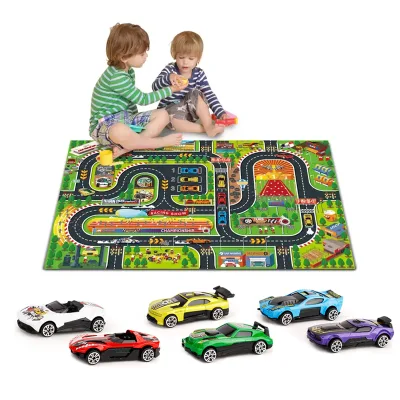
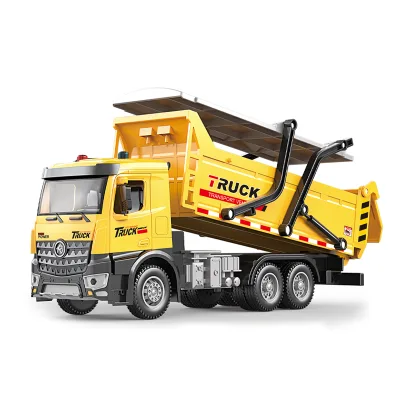
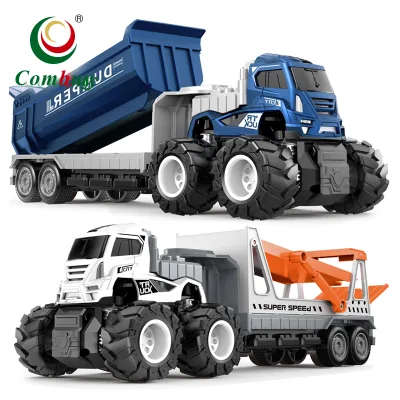
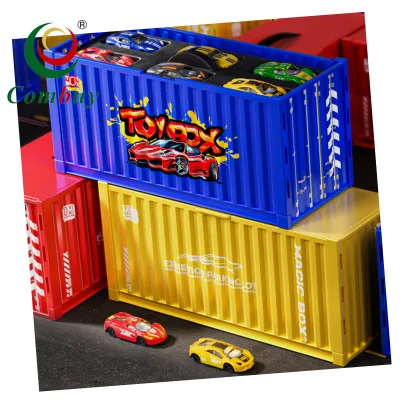
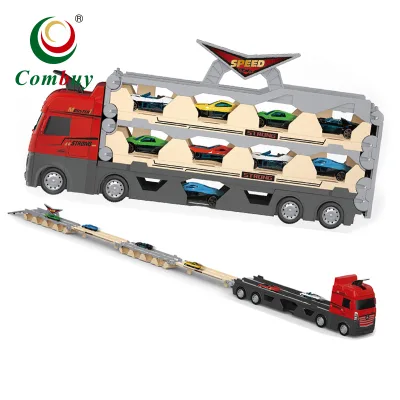
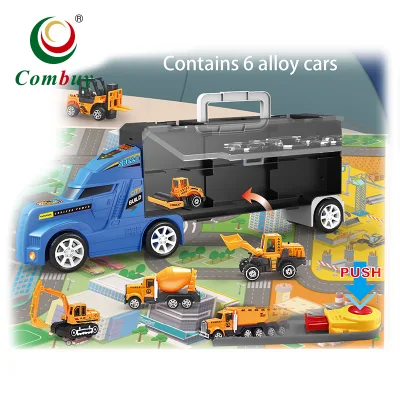
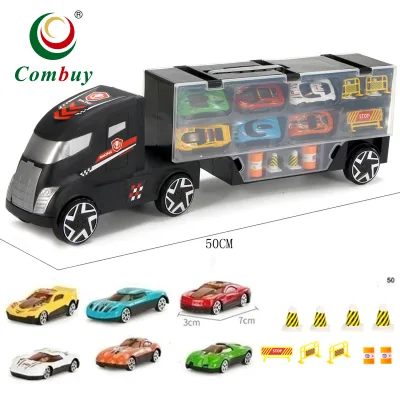


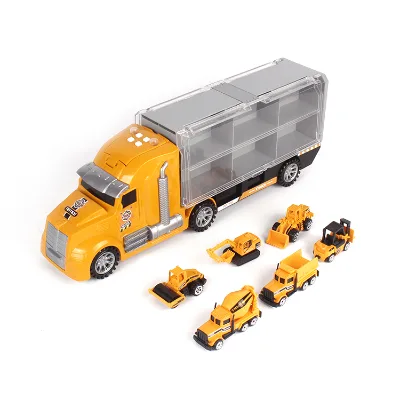
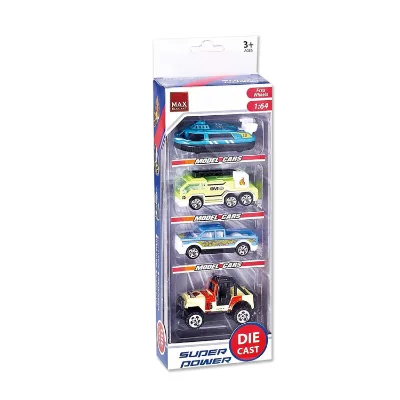
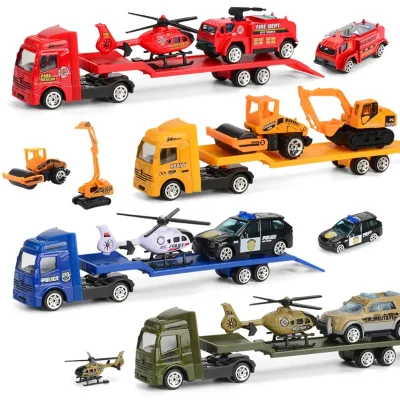
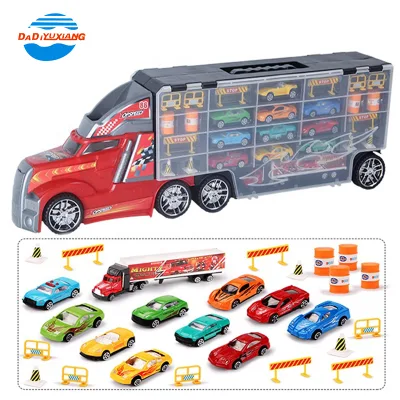
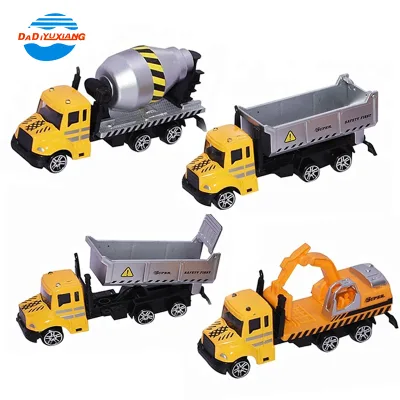


Comprehensive Sourcing Guide
Indoor Urban Diecast Truck Toy Sourcing Guide
Procurement of indoor urban diecast truck toys requires careful selection of models that balance realistic engineering aesthetics with safe, durable materials suitable for indoor play environments. The observed market data indicates a strong presence of metal construction vehicles, specifically diecast models ranging from 1:64 scale engineering trucks to general construction vehicles. Buyers must prioritize products explicitly labeled with "Metal" material attributes to ensure the desired weight and tactile feel associated with premium diecast toys, while avoiding plastic alternatives that may lack the structural integrity expected in this category.
Sourcing strategies should focus on verifying the specific product models listed in the supply chain, such as the BZ series and RFD series, which demonstrate distinct packaging and dimensional standards. The availability of customization options allows buyers to tailor color schemes, with white and yellow being prominent observed variants, to match specific urban or construction themes. It is critical to confirm that the selected units are mechanics-driven and do not require batteries, ensuring they remain safe for indoor use without the risk of electrical hazards or battery leakage in a home or classroom setting.
Product Scope and Observed Listing Signals
The product scope for indoor urban diecast trucks is defined by a clear distinction between metal and plastic compositions, with the majority of high-value listings featuring metal bodies. Buyers should expect to encounter specific keyword signals such as "1:64 Construction Truck," "Metal Truck Toy," and "Diecast Model" which indicate the intended scale and material quality. The observed listings also highlight "Educational Function" and "Usage: Educate," suggesting these toys are often marketed for developmental play rather than purely decorative purposes, requiring verification of the intended age group, typically 3-8 years.
Listing signals further reveal variations in packaging and origin, with products originating from Chenghai, Shantou, a known manufacturing hub for toy vehicles. The data shows a mix of "Box" and "Carton Box" packaging, alongside specific carton size standards like 55.54373cm or 7837.585cm, which are vital for logistics planning. Buyers must scrutinize these signals to ensure the product matches the "Without Sound" attribute, as many diecast trucks in this category are designed for silent, tactile play, distinguishing them from electronic vehicle toys that might generate noise unsuitable for quiet indoor environments.
Technical Specifications to Verify
Technical verification must begin with the physical dimensions and material composition, as the observed data specifies metal construction for the primary diecast models. Buyers should confirm that the product model numbers, such as BZ510-25A-25F or RFD375014, correspond to the exact metal specifications required for the order. It is essential to validate that the "Assembly Required" attribute is marked as "No," ensuring the toys arrive fully assembled and ready for immediate use, which is a critical quality indicator for diecast models intended for young children.
Further technical checks involve the power source and functional mechanics, where the "Mechanics-driven" attribute confirms the toys operate via physical movement rather than electronic components. Buyers need to verify the scale accuracy, ensuring the "1:64" designation aligns with the physical size of the vehicle, particularly for models labeled as "Scale Model" or "Toy Car." Additionally, the absence of sound features must be confirmed to prevent unexpected noise, and the color consistency, whether white or yellow, should be checked against the visual samples provided in the product listing to ensure brand alignment.
Compliance and Safety Documentation
Safety compliance is paramount for toys intended for the 3-8 years age bracket, requiring verification of the ENCE certification mentioned in the product attributes. Buyers must ensure that the supplier provides valid documentation proving the metal and plastic components meet the necessary safety standards for children's products, particularly regarding heavy metal content and structural stability. The presence of a "Material Inspection Report" is a strong indicator of quality control, and procurement teams should request this specific report to confirm that the raw materials used in the diecast models are free from hazardous substances.
Documentation review should also extend to the packaging standards, as the observed data lists specific carton sizes and volume standards like 0.174/cbm or 0.333/cbm which impact shipping safety. Buyers must verify that the packaging is robust enough to protect the diecast models during transit, preventing damage to the delicate metal parts or paint finishes. Ensuring that the "Toy" and "Construction Vehicle Toy" classifications are correctly documented helps in navigating customs regulations and confirms that the product is intended for the correct market segment, avoiding potential compliance issues related to mislabeled toy categories.
Cost Drivers and Commercial Terms
Cost drivers for indoor urban diecast trucks are significantly influenced by the material composition, with metal models generally commanding higher prices than plastic alternatives. The observed price range of 0.29 to 10.3 USD reflects the variance between basic diecast models and more detailed engineering vehicles, with the higher end likely corresponding to the metal construction and specific scale accuracy. Buyers should anticipate that customization options, which are listed as available, will introduce additional costs that must be factored into the total landed cost, especially for specific color requirements like white or yellow finishes.
Commercial terms must account for the Minimum Order Quantity (MOQ) ranges observed between 5 and 3840 units, which can drastically affect the per-unit economics of the purchase. Smaller MOQs allow for testing the market with limited risk, while larger orders may unlock better pricing tiers but require significant capital commitment. The packaging type, whether individual boxes or bulk cartons, also impacts the cost structure, as the specific carton sizes and volume standards listed in the data influence shipping efficiency and overall logistics expenses.
Supplier Qualification and Quality Control
Supplier qualification should prioritize manufacturers located in established toy hubs like Shantou, where the observed data indicates a concentration of production facilities. Buyers must verify the supplier's ability to provide the "Material Inspection Report" and ensure they have a track record of meeting the ENCE certification requirements for the specific age groups targeted. The availability of customization services is a key differentiator, and suppliers should demonstrate flexibility in adjusting colors and packaging to meet specific buyer requirements without compromising the structural integrity of the metal diecast models.
Quality control protocols must include rigorous checks on the "Mechanics-driven" functionality to ensure smooth operation without loose parts or sharp edges. Since the products are marked as "Without Sound," buyers should verify that no electronic components are inadvertently included that could fail or create noise. The "No Assembly Required" attribute simplifies the quality check process, allowing for immediate inspection of the finished product upon receipt, ensuring that the diecast models are free from manufacturing defects such as paint chips or misaligned wheels before they reach the end consumer.
Long-Term Procurement Checks
Long-term procurement success relies on maintaining consistent quality across multiple production runs, particularly for metal diecast toys where finish and weight are critical. Buyers should establish a protocol for periodic re-verification of the ENCE certification and material inspection reports to ensure ongoing compliance with safety standards. It is also essential to monitor the consistency of the "1:64" scale and the "Metal" material quality, as variations in these attributes can lead to customer dissatisfaction and returns, especially in a competitive market for construction vehicle toys.
Sustainability and supply chain resilience are also key considerations for long-term partnerships, requiring buyers to assess the supplier's ability to maintain stable production volumes despite market fluctuations. The observed data suggests a diverse range of product models, from BZ series to RFD series, which offers opportunities for portfolio diversification. Buyers should regularly review the packaging standards and carton sizes to optimize logistics efficiency, ensuring that the supply chain remains agile enough to respond to changing demand patterns for indoor urban diecast truck toys.
FAQs
What materials are used for indoor urban diecast truck toys?
These toys are primarily constructed from metal and plastic to ensure durability and realistic weight. The metal components provide a sturdy frame, while plastic parts allow for detailed coloring and intricate design elements. This combination supports the mechanical functions required for educational play without relying on electronic power sources.
Can these diecast trucks be customized for specific branding needs?
Yes, customization is available for bulk orders to meet specific branding or educational requirements. Buyers can request modifications to colors, packaging, or minor design features to align with their target audience. This flexibility allows businesses to create unique product lines that stand out in the competitive toy market while maintaining quality standards.
Which certifications ensure the safety of these construction vehicle toys?
These toys hold ENCE certification, ensuring they meet specific safety and quality standards for children. This certification verifies that the materials and manufacturing processes are safe for the intended age group of 3 to 8 years. Buyers can rely on this compliance for market entry, ensuring the products are suitable for educational and recreational use.
How are these metal truck toys packaged for shipping?
The toys are packaged in individual boxes or carton boxes depending on the specific model and order volume. Standard packaging includes box units for retail display and carton boxes for bulk shipping efficiency. This structured packaging protects the diecast models during transit and helps maintain their pristine condition upon arrival at the destination warehouse or retail store.
What is the typical origin location for these diecast models?
These toys originate from Chenghai, Shantou, a major hub for toy manufacturing in China. This region is renowned for its expertise in producing high-quality diecast models and construction vehicles. Sourcing from this location ensures access to established supply chains and specialized manufacturers who focus on detailed scale models and educational toy products.
Are these construction toys suitable for educational purposes?
Yes, these toys feature educational functions designed to engage children aged 3 to 8 years. They help develop fine motor skills and spatial awareness through mechanics-driven play without sound distractions. The realistic design and assembly-free nature make them ideal for classroom settings or home learning environments focused on interactive and tactile educational experiences.